
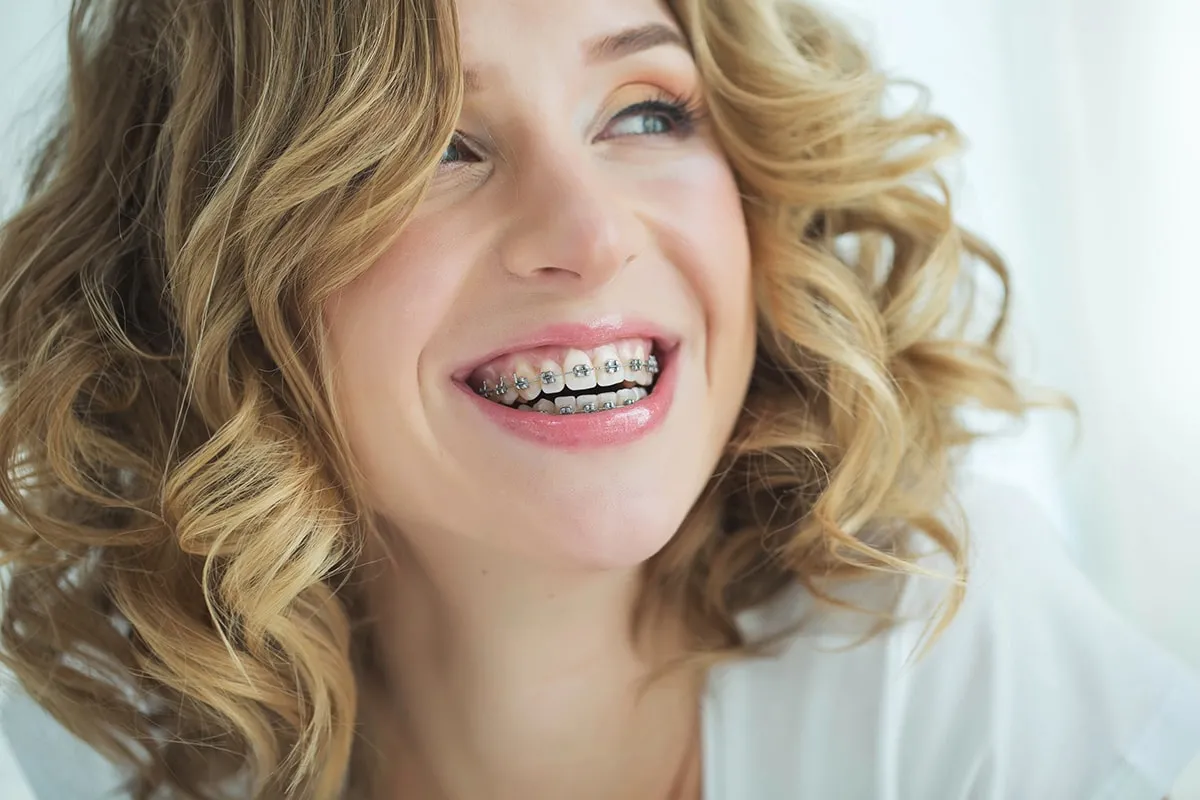
What Are Teen Braces and Why Does Timing Matter?
Braces are orthodontic appliances that correct misalignment, crowding, and bite issues by applying gentle, consistent pressure to move teeth into proper position. For teens, when treatment begins matters. The right timing can shorten treatment and improve results, which is why parents should understand the factors that go into getting started.
Adolescence opens an ideal window for orthodontic treatment. During the teen years, the jaw is still growing and bones are actively remodeling, which allows teeth to move more efficiently. The American Association of Orthodontists recommends that children receive their first orthodontic evaluation by age 7, though most treatment begins between ages 11 and 15 when permanent teeth have erupted. A Board Certified Orthodontist can identify the right time to begin treatment based on your teen's growth and development. Families across the League City, TX area and greater Houston metro often start this process during middle school.
Common orthodontic issues in teens include crowding (when teeth don't have enough room), spacing gaps, overbites, underbites, and crossbites. Left untreated, these conditions can lead to uneven tooth wear, difficulty cleaning teeth properly, and jaw discomfort. Starting treatment during the teen years takes advantage of natural growth patterns, often leading to shorter treatment times and more predictable outcomes.
How Does the Teen Braces Process Work From Start to Finish?
The braces process involves five main stages: initial free consult, custom treatment planning, braces placement, regular adjustments, and removal with retention.
Step 1: Initial Free Consult
Your teen's orthodontic experience begins with a thorough evaluation. This free consult includes X-rays, photographs, and digital scans that give the orthodontist a full picture of tooth position, jaw alignment, and facial structure. Families can ask questions and get a clear sense of what treatment might look like.
Step 2: Custom Treatment Plan
Using the diagnostic information gathered, your orthodontist creates a plan built around your teen's specific needs, including the recommended type of braces, estimated treatment duration, and expected outcomes.
Step 3: Braces Placement
Placement typically takes one to two hours. Brackets are attached to each tooth and connected with an archwire. It's not painful, though your teen may feel some pressure. Most teens say it's easier than they expected. Pro tip: bring headphones and a good playlist.
Step 4: Adjustment Visits
Every four to eight weeks, your teen will come in for adjustments. The orthodontist monitors progress, tightens wires, changes bands, and confirms teeth are moving on schedule.
Step 5: Removal and Retention
Once teeth have reached their ideal positions, the braces come off. Then comes the transition to retainers, which maintain the new smile. Wearing retainers as directed is essential for long-term results. Don't skip this part.
Key Benefits of Getting Braces During the Teen Years
Getting braces during the teen years offers faster treatment times, better long-term oral health, and a confidence boost that goes well beyond a straighter smile.
Why Does Jaw Growth Make Teen Treatment Faster?
- Active jaw growth and bone remodeling mean teeth respond more quickly to orthodontic pressure. Because bones are still developing, they reshape more readily as teeth move into new positions. That translates to shorter time in braces.
- Since many peers also wear braces during middle and high school, treatment feels like a normal part of growing up. Teens often find it easier when friends are going through the same thing.
How Do Braces Improve Long-Term Oral Health?
- Straight teeth are easier to brush and floss, reducing the risk of cavities and gum disease.
- Confidence matters. Many teens feel more comfortable smiling in photos and social situations once their teeth are aligned, and that boost carries into schoolwork, friendships, and activities.
- Proper alignment helps prevent TMJ disorders, uneven tooth wear, and jaw discomfort that might develop later in life.
According to the American Association of Orthodontists, early treatment can also prevent more extensive procedures down the road, potentially saving both time and money.
Types of Braces for Teens: Comparing Your Options
Today's teens have several orthodontic options. Here's how they compare:
| Feature | Traditional Metal | Ceramic/Clear | Invisalign for Teens |
|---|---|---|---|
| Visibility | Most noticeable | Less visible | Nearly invisible |
| Durability | Very durable | More fragile | Durable if cared for |
| Best For | Complex cases | Mild to moderate | Mild to moderate |
| Removable | No | No | Yes |
| Dietary Restrictions | Yes | Yes | None (remove to eat) |
| Compliance Needed | Low | Low | High (20-22 hrs/day) |
Traditional Metal Braces
The most common choice for teens, metal braces work well for all types of orthodontic issues, including complex cases. Today's brackets are smaller and more comfortable than older versions.
Ceramic or Clear Braces
These use tooth-colored or clear brackets that blend with teeth. They're popular with teens who want a less noticeable option but still need the precision of traditional braces. They do require a bit more care since the brackets can stain.
Invisalign for Teens
Invisalign offers a removable option for teens with mild to moderate alignment issues. The Invisalign Teen system includes compliance indicators that help parents and orthodontists track wear time. No food restrictions apply since aligners come out for eating and brushing.
Your orthodontist will recommend the best option based on your teen's specific needs, lifestyle, and treatment goals. What works well for one teen may not be the right fit for another.
How Much Do Teen Braces Cost? Factors That Affect Pricing
Teen braces typically cost between $3,000 and $7,000 for traditional metal braces, while Invisalign and ceramic options may range from $4,000 to $8,000. The final price depends on the type of braces chosen, how long treatment lasts, the complexity of the case, and geographic location. Here in the League City, TX and greater Houston area, pricing tends to reflect the regional cost of living.
Let's break down what drives those numbers.
Type of braces selected
Traditional metal braces typically cost less than ceramic braces or Invisalign. The materials and technology involved in each option affect pricing differently.
Treatment duration
Treatment duration plays a significant role as well. Longer treatment times generally mean higher costs due to additional free consult visits and materials needed over those extra months. Most cases run 12 to 24 months, but complex corrections can extend beyond that.
The severity of misalignment and your geographic location also factor in. Complex cases requiring more extensive movement or specialized techniques may cost more than straightforward corrections. A case involving a severe underbite, for example, will typically require more time and resources than mild crowding. Pricing also varies by region and practice, so it's worth getting a specific estimate for your teen's situation.
Many dental insurance plans cover a portion of orthodontic treatment for minors, often up to a set maximum. Check with your insurance provider to understand your specific coverage.
Flexible payment options make treatment accessible for most families. A free consult provides a cost estimate specific to your teen and lets you explore financing options that fit your budget.
Is Your Teen a Good Candidate for Braces?
Most teens between ages 11 and 15 with fully erupted permanent teeth are good candidates for braces. Key signs that your teen may need treatment include crowding, gaps, bite misalignment, jaw discomfort, or difficulty chewing. Here are specific indicators to watch for:
- Crooked, crowded, or overlapping teeth
- Noticeable gaps between teeth
- Difficulty chewing or biting food properly, which sometimes shows up as avoiding certain foods altogether
- Mouth breathing, chronic jaw discomfort, or jaw clicking and popping sounds
- Teeth that don't meet correctly when biting down
How Important Is Oral Hygiene During Treatment?
Good oral hygiene habits are critical for successful treatment. Brushing and flossing consistently leads to better outcomes and fewer complications during the time in braces. Your orthodontist will review proper brushing techniques at each visit.
What About Sports and Activities?
Absolutely, teens involved in sports can get braces. A protective mouthguard designed for braces helps prevent injuries during contact activities. Musicians who play wind or brass instruments may need a short adjustment period but can continue playing throughout treatment.
A free consult is the best way to determine whether your teen is ready for braces and which treatment approach fits best. During this evaluation, a board certified orthodontist examines tooth position, jaw alignment, and overall oral health to create a recommendation specific to your teen's situation.
Frequently Asked Questions About Teen Braces
How long do teens typically wear braces?
Most teens wear braces for 12 to 24 months. Treatment time depends on case complexity and how teeth respond to treatment. Your orthodontist will provide a more specific timeline during the free consult.
Do braces hurt?
Not during placement. Teens often experience soreness for a few days after the initial free consult and following adjustment visits. This discomfort is normal and usually manageable with over-the-counter relievers and soft foods. The pressure sensation means the braces are doing their job.
What foods should teens avoid with braces?
Hard foods like nuts, popcorn, and ice can break brackets. Sticky foods like caramel and taffy can pull brackets loose. Cutting food into smaller pieces and chewing with back teeth helps protect braces throughout treatment.
Can my teen still play sports with braces?
Short answer: yes. A specialized orthodontic mouthguard protects both the braces and soft tissues inside the mouth. Your orthodontist can recommend the right type of mouthguard for your teen's activities.
What happens if my teen doesn't wear their retainer after braces?
Skipping retainer wear allows teeth to shift back toward their original positions. This movement, called relapse, can happen quickly in the months following braces removal. Your orthodontist will provide specific retainer instructions at the removal free consult, and following those directions protects the investment of time and money spent on treatment.
Want to learn more about orthodontic options for your teen? The team at AvA Orthodontics is here to help your family understand what to expect. We don't have a customer service representative; it's everyone's job to take care of you. Schedule a free consult to find out which option fits your teen best and start working toward the smile you have always dreamed of. Families throughout League City, Pearland, Spring, and Cypress trust our team because you know that you are in good hands.