
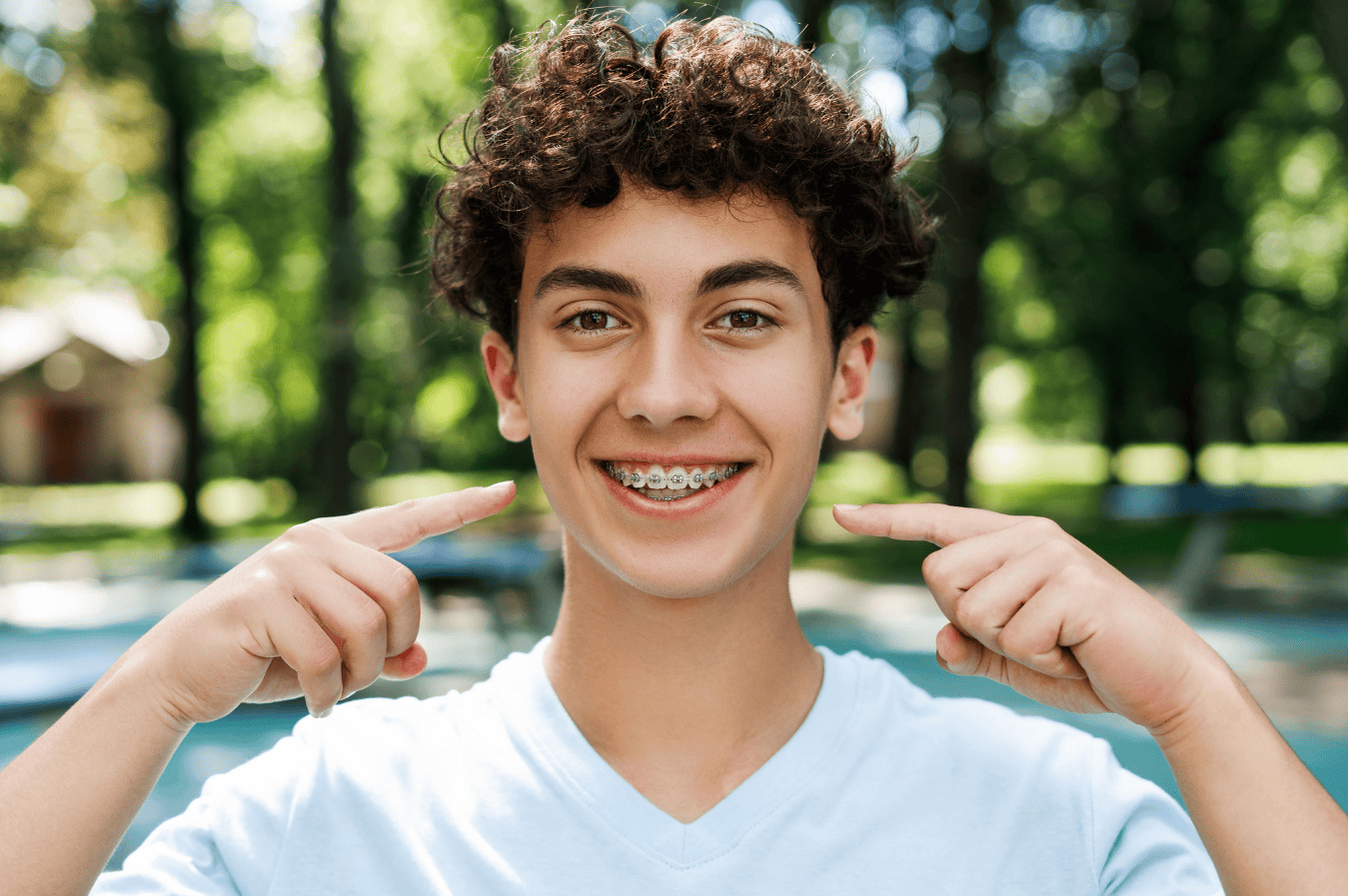
Orthodontic treatment during the teenage years is one of the most effective ways to correct misalignment, bite issues, and spacing problems before they become more complex. With most permanent teeth in place and facial bones still growing, adolescence presents a unique opportunity for efficient and predictable orthodontic results.
For parents, though, it can raise a lot of questions: When should my teen start braces? What types are available? How much do they cost? And what kind of commitment is required? This guide breaks it all down so you can feel confident supporting your child’s orthodontic journey—whether you're in Spring, Pearland, Cypress, or anywhere else across Texas.
Why Teens Are Ideal Candidates for Braces
The teenage years—typically between ages 11 to 16—are often the optimal time to begin orthodontic treatment. By this stage, most permanent teeth have erupted, but the jaw and facial structures are stilzl growing. This combination allows orthodontists to guide tooth movement and bone development more effectively than in adulthood.
Key reasons why adolescence is ideal for braces:
- Growth potential — Active jaw growth makes it easier to correct bite problems.
- Permanent teeth are in place — Timing allows comprehensive alignment.
- Early correction prevents future complications — Avoids extractions or surgery later.
- Improved confidence — Straighter teeth at a formative age can boost self‑esteem.
Parents who pursue orthodontic evaluations during this window often see better long‑term results and shorter treatment times.
When Should Teens Get an Orthodontic Evaluation?
Most orthodontists recommend that children have their first orthodontic checkup by age 7. However, this doesn’t always mean immediate treatment. For many, the ideal time for braces is after most baby teeth have fallen out—usually around ages 11 to 13.
An evaluation helps determine whether:
- Your teen has spacing or crowding problems
- Their bite is developing properly
- There are functional issues affecting speech or chewing
- Orthodontic intervention is needed now or can wait
Even if no immediate treatment is needed, early evaluations help plan ahead and monitor jaw development over time.
Common Orthodontic Problems in Teens
Many teens experience orthodontic issues that can affect not just their smile, but also their long‑term oral health.
Some of the most common conditions include:
- Crowding — Teeth compete for space, making cleaning harder.
- Overbite — Upper teeth extend too far over the lower teeth.
- Underbite — Lower teeth protrude ahead of the upper.
- Crossbite — Misalignment where upper teeth fit inside lower teeth.
- Gaps — Extra space between teeth.
Left unaddressed, these issues may lead to jaw pain, enamel wear, gum disease, or speech difficulties.
What Types of Braces Are Available for Teens?
Orthodontic technology has come a long way, and today’s teens have more options than ever when it comes to straightening their teeth.
Main types of braces used in adolescent treatment:
- Metal Braces — Traditional stainless‑steel brackets are durable and effective for most cases.
- Ceramic Braces — Tooth‑colored brackets that are less visible but slightly more fragile.
- Self‑Ligating Braces — Brackets that don’t require elastic ties, offering smoother movement and potentially shorter appointments.
- Invisalign Teen — Clear, removable aligners designed specifically for teen mouths, with built‑in wear indicators.
Each option has its pros and cons, and your orthodontist will recommend the best fit based on your teen’s dental condition, lifestyle, and level of responsibility.
How Long Do Teens Typically Wear Braces?
Treatment length depends on the severity of the issue, but most teens wear braces for 18 to 24 months. Some may finish sooner with good compliance, while more complex cases could take longer.
Factors influencing treatment time include:
- Type of appliance used
- Severity of misalignment
- Growth pattern of the jaws
- Patient compliance with care instructions and appointments
Consistent visits and good oral hygiene help keep treatment on track and avoid delays.
What Is Life Like With Braces for Teens?
Braces do require some lifestyle adjustments—but most teens adapt quickly.
Daily routines and changes to expect:
- Brushing and flossing — Teens need to clean around brackets carefully to avoid plaque buildup.
- Diet adjustments — Sticky or hard foods like gum, popcorn, and nuts should be avoided.
- Sports and music — Mouthguards protect braces during contact sports; minor adjustments may be needed for wind instruments.
- Checkups — Regular orthodontic visits every 4–6 weeks for adjustments.
While some discomfort is normal after initial placement and tightening, it’s typically manageable and temporary.
How Can Parents Support Their Teen During Treatment?
Your support can make a big difference in the success of your teen’s treatment. Beyond scheduling appointments and managing payments, it’s also about encouraging good habits and emotional support.
Helpful ways parents can stay involved:
- Set reminders for hygiene routines
- Keep orthodontic wax and supplies on hand
- Monitor compliance with elastic wear or aligners
- Celebrate treatment milestones to boost motivation
- Communicate with the orthodontist about any concerns
Regular encouragement can help teens stay committed, especially during longer treatments.
How Much Do Braces Cost for Teens in Texas?
In Texas, the average cost for teen braces ranges from $3,000 to $6,500, depending on the type of braces, treatment duration, and complexity. Ceramic braces and Invisalign typically fall on the higher end of that range.
Cost factors include:
- Appliance type (metal vs. ceramic vs. Invisalign)
- Length of treatment
- Insurance coverage and payment plan options
- Whether additional appliances (expanders, retainers) are needed
Many orthodontists offer flexible monthly payment plans, family discounts, and free consultations to help parents make informed decisions.
Are Braces Covered by Insurance?
Orthodontic coverage varies depending on your dental plan. Many policies offer partial coverage for dependents under age 18, with lifetime maximums ranging from $1,000 to $2,500.
Key insurance tips:
- Check if orthodontics is included in your plan
- Ask your provider to run a pre‑treatment estimate
- Use FSA or HSA funds to cover out‑of‑pocket expenses
- Explore payment plans for any remaining balance
Start by contacting your orthodontist’s office—they often help families navigate insurance to get the most out of their benefits.
Final Thoughts — Braces Can Set Your Teen Up for a Lifetime of Confidence
Teenage orthodontic care isn’t just about appearances—it’s about building a strong, functional bite and creating lifelong habits around oral health. When treatment is started at the right time, and with the right support, the results can be transformative.
For families in Spring, Pearland, Cypress, or surrounding Texas communities, exploring braces during the teen years is one of the smartest investments in your child’s future health and self‑esteem.
Schedule a Free Teen Orthodontic Consultation at AvA Orthodontics
If you're considering braces for your teen, the team at AvA Orthodontics offers board‑certified expertise, personalized care, and flexible payment options tailored for families. With offices in Spring, Pearland, and Cypress, we make it easy to get started. Schedule your free consultation today and give your teen the confidence of a healthy, beautiful smile.