
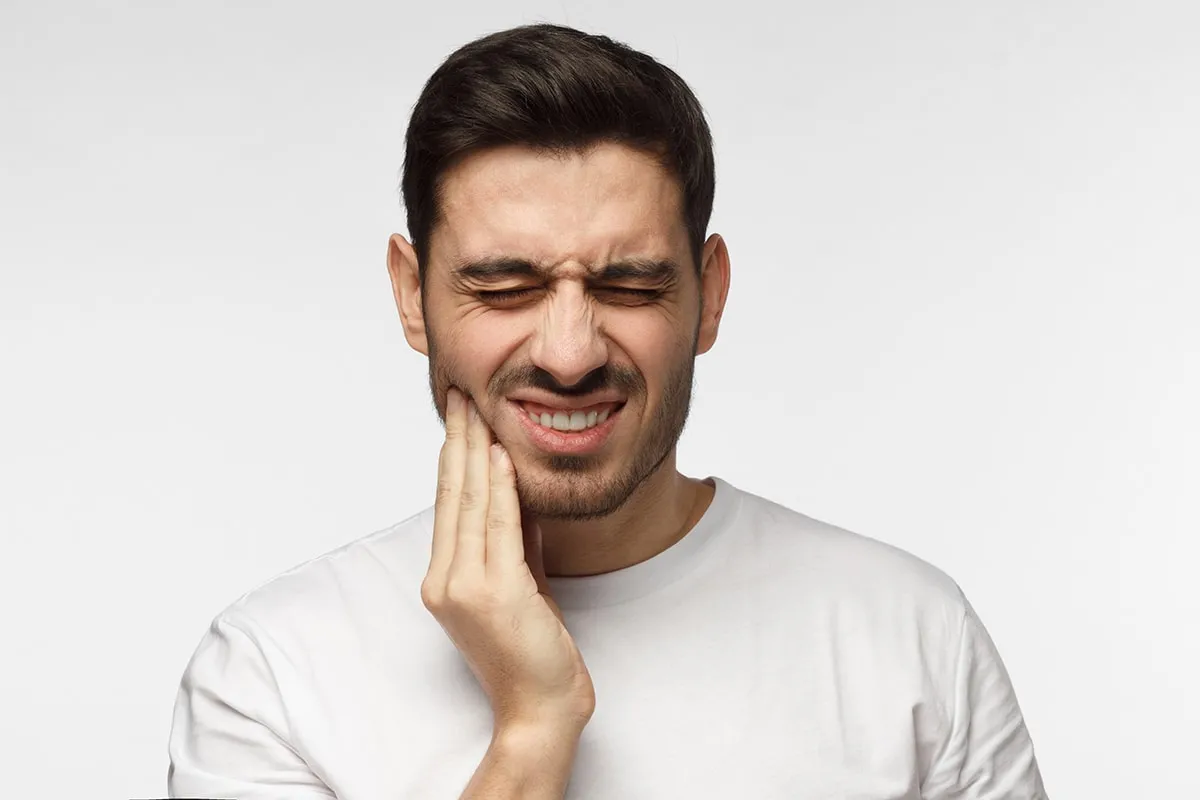
Jaw pain. Clicking or popping sounds. Headaches. Discomfort when chewing or talking.
If these symptoms sound familiar, you may be dealing with a temporomandibular joint (TMJ) disorder—also called TMD. And while many people don’t immediately think of braces or aligners as a solution, orthodontic treatment can often provide significant relief when misalignment is at the root of the problem.
This guide will walk you through what TMJ disorders are, how orthodontics may help, and what to expect if you're seeking treatment. We'll also explore how residents in Spring, TX and surrounding areas can find relief with the right care and support.
What Is TMJ/TMD?
The temporomandibular joint connects your lower jaw (mandible) to your skull and plays a crucial role in chewing, speaking, and facial movements. When this joint or the surrounding muscles become irritated, misaligned, or overused, it can result in a TMJ disorder.
Common symptoms of TMJ disorders:
- Jaw pain or soreness
- Clicking, popping, or grinding sounds when opening the mouth
- Limited jaw movement or jaw “locking”
- Headaches or earaches
- Pain when chewing or talking
- Facial muscle fatigue
TMJ disorders can develop due to several factors, including stress, trauma, arthritis, or—importantly—misalignment of the teeth and jaws (malocclusion).
How Misaligned Teeth Contribute to TMJ Pain
Your bite (how your upper and lower teeth fit together) directly influences the way your jaw moves and rests. When teeth are crowded, shifted, or misaligned, the jaw joints and muscles often have to compensate, creating strain.
Malocclusion-related issues that can trigger TMJ symptoms:
- Overbite or underbite that shifts jaw movement
- Crossbite or open bite creating muscle imbalance
- Uneven pressure distribution while chewing
- Nighttime grinding or clenching (bruxism) due to bite stress
Over time, these bite problems can overwork the TMJ, leading to inflammation, discomfort, and dysfunction.
How Orthodontics Can Help TMJ Disorders
Orthodontic treatment addresses the root cause when bite imbalance contributes to TMJ issues. By moving the teeth and jaws into proper alignment, strain on the joint is reduced, muscle activity is balanced, and the entire system functions more efficiently.
Ways orthodontics improves TMJ-related symptoms:
- Balances bite pressure across teeth and jaw muscles
- Reduces grinding/clenching by improving alignment
- Corrects jaw relationships that strain the TMJ
- Improves chewing efficiency and comfort
Orthodontics won’t “cure” every TMJ case—especially if trauma, arthritis, or severe joint damage is present—but it can dramatically reduce symptoms for patients whose discomfort stems from bite-related causes.
What to Expect During Orthodontic TMJ Treatment
If you’re considering orthodontic care for TMJ relief, the process begins with a comprehensive evaluation. Here’s what you can typically expect:
1. In-depth assessment
Your orthodontist will review your medical history, TMJ symptoms, and perform a bite analysis. They may also order 3D imaging or panoramic X-rays to evaluate joint and jaw structure.
2. Customized treatment planning
If malocclusion is identified as a contributing factor, your provider will design a treatment plan tailored to your needs—braces, Invisalign, or sometimes jaw-expanding appliances.
3. Appliance placement and monitoring
Once treatment begins, regular check-ins allow your orthodontist to adjust appliances and monitor progress. TMJ symptoms often improve gradually as the bite becomes more balanced.
4. Supportive therapies (if needed)
For more complex cases, your provider may coordinate with a TMJ specialist, physical therapist, or oral surgeon. Splints or nightguards may also be recommended during early stages.
5. Retention and long-term care
After alignment is complete, retainers are worn to maintain bite correction. Some patients also receive ongoing exercises or recommendations for long-term TMJ management.
Braces vs. Invisalign for TMJ Treatment
Both traditional braces and Invisalign can be used to treat bite misalignment. The best option depends on your specific case.
Braces may be better if:
- You have severe malocclusion or jaw discrepancies
- Your case requires complex tooth movement
- You struggle with treatment compliance
Invisalign may be suitable if:
- Your alignment issues are mild to moderate
- You prefer a removable, discreet option
- You can commit to 20–22 hours of daily wear
Your orthodontist will guide you toward the best appliance based on clinical factors and your lifestyle.
How Long Does Treatment Take?
Treatment length varies depending on severity of misalignment and your unique response. Most orthodontic treatments for TMJ-related issues last between 12 and 24 months.
Improvements in TMJ symptoms may be noticed within the first few months, but lasting relief generally aligns with full bite correction.
Is Orthodontics Right for Your TMJ Symptoms?
Orthodontic treatment may be a good fit if:
- You’ve been diagnosed with a bite-related issue (overbite, underbite, crossbite)
- You regularly experience jaw discomfort, clicking, or tension
- Nighttime grinding is contributing to pain or enamel wear
- You’ve tried conservative TMJ treatments without long-term success
It’s also helpful for patients looking to treat both aesthetic concerns and functional discomfort at the same time.
Local Perspective — TMJ Care in Spring, TX
Residents of Spring, TX and surrounding communities benefit from access to board-certified orthodontic specialists who understand the connection between bite alignment and jaw health. Working with a provider who offers advanced diagnostics, a range of treatment options, and collaborative care with TMJ specialists makes the process smoother and more effective.
Final Thoughts — TMJ Relief Through Orthodontic Expertise
TMJ disorders can significantly affect your daily life—but relief is possible. Orthodontic treatment offers a powerful solution when jaw pain or dysfunction is caused by poor bite alignment.
By improving how your teeth and jaw work together, you reduce joint strain, ease muscle tension, and restore comfort for the long term.
Why Choose AvA Orthodontics for TMJ-Related Treatment?
At AvA Orthodontics & Invisalign, we understand the complex relationship between orthodontics and TMJ health. Our board-certified specialists use cutting-edge technology to assess your bite, diagnose contributing factors, and design a treatment plan focused on lasting comfort—not just straight teeth.
We also collaborate with other healthcare providers when needed to give you comprehensive care. And with free consultations, there’s no risk in finding out whether orthodontics could be the solution for your TMJ discomfort.
Schedule Your Free Consultation Today
If you're experiencing jaw pain, headaches, or clicking and suspect your bite may be involved, don’t wait. Schedule your free consultation at AvA Orthodontics in Spring, TX, and take the first step toward real relief and a healthier, more functional smile.