
Why Life After Braces Matters Just as Much as Treatment
The day your braces come off is a huge milestone, but it’s not the end of your orthodontic journey. In fact, post-treatment care is just as important as the months—or even years—you spent wearing braces. After active treatment, your teeth are still settling into their new positions, and without the right support, they can shift back.
From wearing your retainers to building good oral hygiene habits, this phase of care is about maintaining your results. Here, we’ll walk through what to expect after braces, the different types of retainers, and how to keep your smile straight and healthy for the long haul.
What Happens After Braces Are Removed?
When your braces are removed, your orthodontist will take final records, polish your teeth, and assess your bite. It’s an exciting day—but also the beginning of a new chapter: retention.
In this phase, your teeth are vulnerable to something called “orthodontic relapse”—a natural tendency for teeth to shift back toward their original position. Retainers are essential for holding everything in place while your mouth adapts.
During this appointment, your orthodontist will also review your retainer plan and provide instructions for wear and care.
Why Retainers Are Critical to Long-Term Success
Teeth are held in place by soft tissues and ligaments, which take time to stabilize after movement. Retainers help maintain this new position and protect the investment you made in treatment.
Failing to wear a retainer—even for a short time—can lead to shifting, crowding, or gaps reappearing. Many adults seeking orthodontic treatment are doing so because they didn’t wear their retainer consistently the first time around.
Retainers are your insurance policy for a straight, healthy smile.
Types of Retainers — Which One Will You Get?
Orthodontists offer several types of retainers, each with pros and cons. The right choice depends on your treatment, habits, and personal preference.
Removable retainers:
- Hawley retainers — A classic option with a wire across the front teeth and an acrylic plate that fits the roof of your mouth or behind the lower teeth. Durable and adjustable.
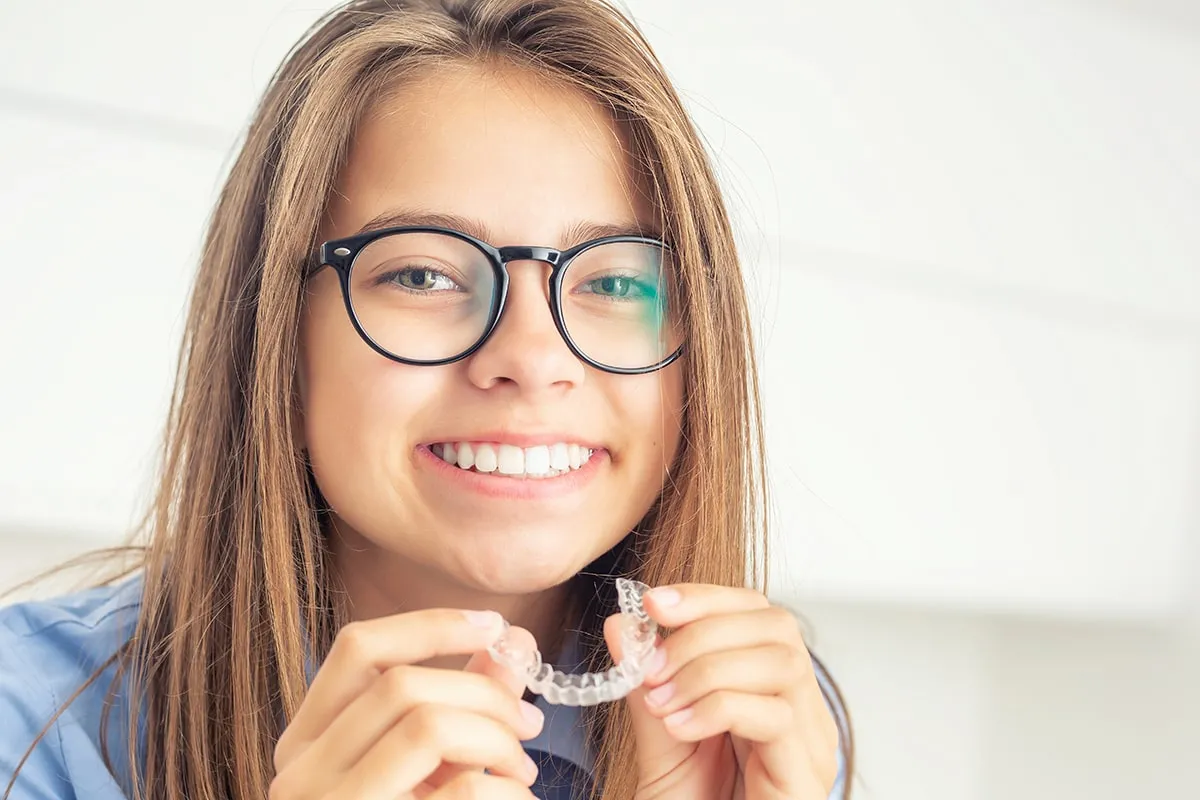
- Clear plastic retainers (Essix) — Transparent, tray-like retainers that fit snugly over your teeth. Popular for their nearly invisible appearance but can wear out faster than Hawleys.
Fixed retainers:
- Bonded or permanent retainers — A thin wire is attached to the back of your front teeth (usually lower front). These are not visible and require no daily removal, but they do need special care when brushing and flossing.
How Often Should You Wear Your Retainer?
Your orthodontist will give specific instructions, but in general, retainer wear follows a phased approach:
- Full-time wear (first 3–6 months) — Usually 22 hours/day, only removing to eat or clean.
- Nighttime wear (after initial phase) — Once stability is established, most patients switch to nighttime-only wear indefinitely.
Yes, that means wearing your retainer for life—at least a few nights per week. This may sound like a big commitment, but it’s a small effort compared to the time and money invested in braces.
Post-Treatment Oral Hygiene Tips
After your braces are removed, your oral hygiene routine becomes even more important. Straight teeth are easier to clean, but plaque can still build up if daily care is neglected.
Here are some essential tips:
- Brush twice a day — Focus on the gumline and around your retainer if fixed.
- Floss daily — Use floss threaders or water flossers for fixed retainers.
- Rinse with fluoride mouthwash — Strengthens enamel and helps prevent decay.
- Attend regular dental cleanings — Every 6 months or as recommended by your dentist.
- Watch for changes — Report any shifting or retainer fit issues to your orthodontist promptly.
What If You Lose or Damage Your Retainer?
Retainers are small and often clear—making them easy to misplace. If yours is lost, broken, or no longer fits properly, contact your orthodontist immediately. Waiting too long can result in relapse and may require additional treatment.
To avoid issues:
- Always store removable retainers in a protective case.
- Don’t wrap them in napkins (they often get thrown away).
- Keep them away from pets—dogs love to chew on them!
- Avoid using hot water or leaving them in a hot car, which can warp the material.
Common Questions About Retainers and Post-Braces Care
- Can I skip wearing my retainer occasionally?
It’s not ideal. Skipping a night once in a while might not cause major shifting, but make it a habit and you’ll see changes quickly. Consistency is key. - Will I need a new retainer eventually?
Yes. Over time, retainers can wear out or warp. Clear plastic retainers especially need replacement every couple of years, depending on use. - Do permanent retainers last forever?
They can last for many years, but they sometimes come loose or require repair. Routine dental visits will help monitor their condition.
Keeping Your Smile Straight — It’s a Lifelong Habit
Orthodontic treatment is a major step toward a healthier, more confident smile—but your work isn’t done when the braces come off. Retention is an ongoing responsibility that preserves the results you worked hard to achieve.
By wearing your retainer as instructed, maintaining excellent oral hygiene, and staying in touch with your orthodontist, you can enjoy a straight, healthy smile for life.
Trust AvA Orthodontics for Expert Retention Guidance
At AvA Orthodontics & Invisalign, we support our patients every step of the way—even after braces. Our team helps you understand your post-treatment plan, provides high-quality retainers, and offers guidance for long-term care.
With locations in Spring, Pearland, and Cypress, TX, we make it easy to access expert orthodontic care close to home.
Schedule your free consultation today to learn more about retention and how AvA Orthodontics helps you protect your smile for life.